
Alex Bacon
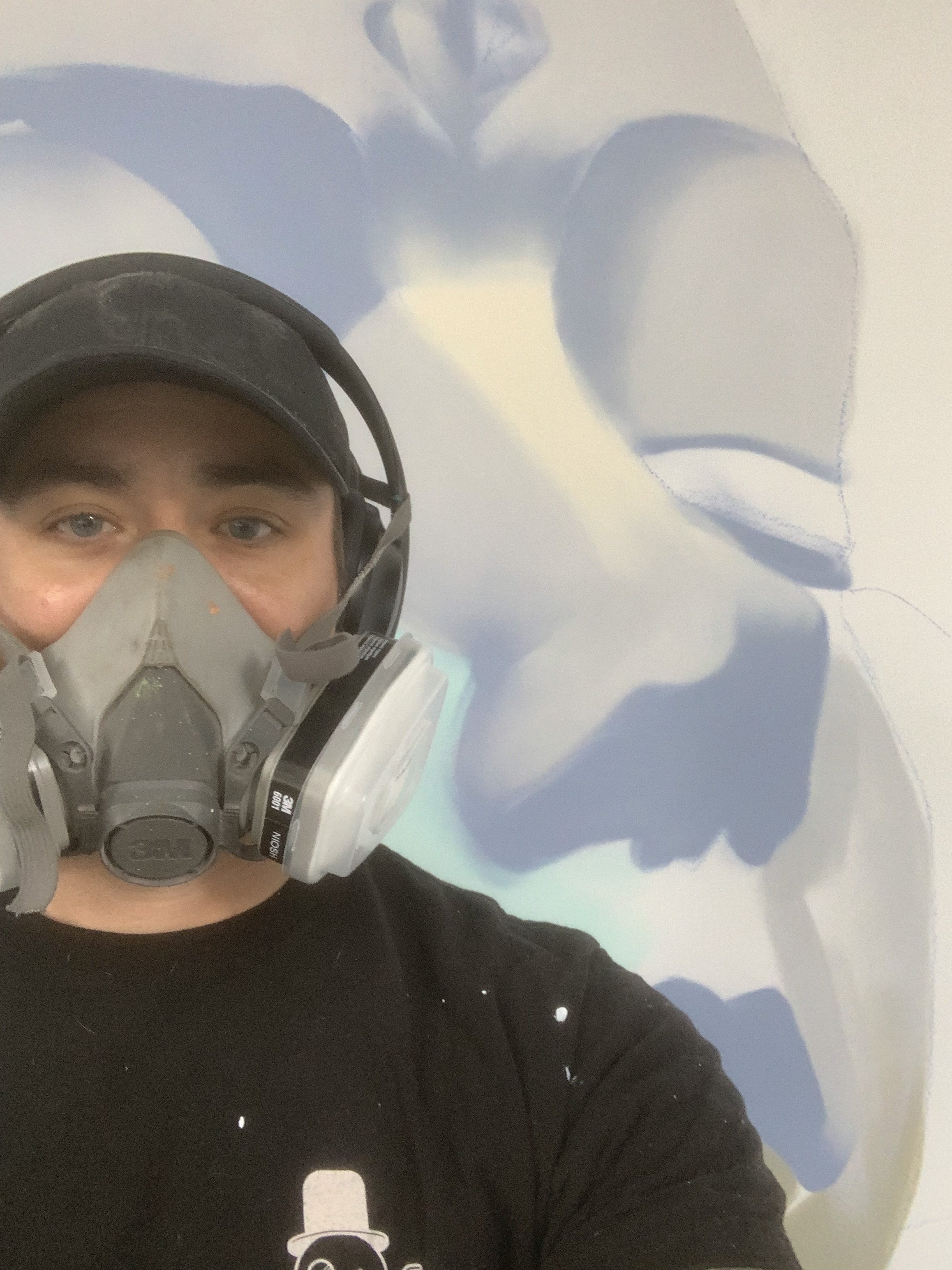
Alexandar Bacon is a Canadian painter and multidisciplinary artist based in Toronto. His practice is rooted in decades of graffiti and large-scale mural work, where speed, control, and material experimentation shaped his visual language. Over time, this foundation has evolved into a focused studio practice centered on objecthood, surface, and perception.
While his background is grounded in spray-based techniques, Bacon now works extensively in oil paint, applying the same discipline and precision developed on walls to the canvas. This transition allows for slower, more deliberate rendering, where surface, light, and material illusion are pushed to their limits. His work blends realism with abstraction, using reflective surfaces, controlled lighting, and subtle distortions to elevate familiar forms into ambiguous, almost ceremonial objects.
Chrome-like finishes, porcelain gloss, and glass-inspired textures are not decorative, but structural—guiding how the image is read and experienced. Narrative in Bacon’s work is intentionally restrained. By isolating objects from context, he invites viewers to project their own associations, allowing nostalgia, desire, and tension to surface quietly over time. The result is a body of work that feels playful yet precise, rooted in memory while unmistakably contemporary.
SERIES INFO
The Ray Gun series forms part of Alexandar Bacon’s broader practice, in which objects are treated as relics—artifacts shaped by memory, desire, and imagination. Familiar in silhouette yet removed from function, the works suggest fragments of a larger, unseen world. Rendered with meticulous attention to surface, reflection, and material illusion, each object feels preserved rather than used, designed rather than illustrated.
Rather than constructing narrative directly, Bacon allows meaning to accumulate through restraint. The absence of context invites projection, where nostalgia, authority, and play quietly coexist. Across the series, repetition and variation function as a language, hinting at an expanding visual ecosystem without defining its rules.
The result is a body of work that rewards prolonged engagement. These are not images meant to resolve themselves, but objects meant to be lived with—revisited and reinterpreted as the world they belong to continues to unfold.